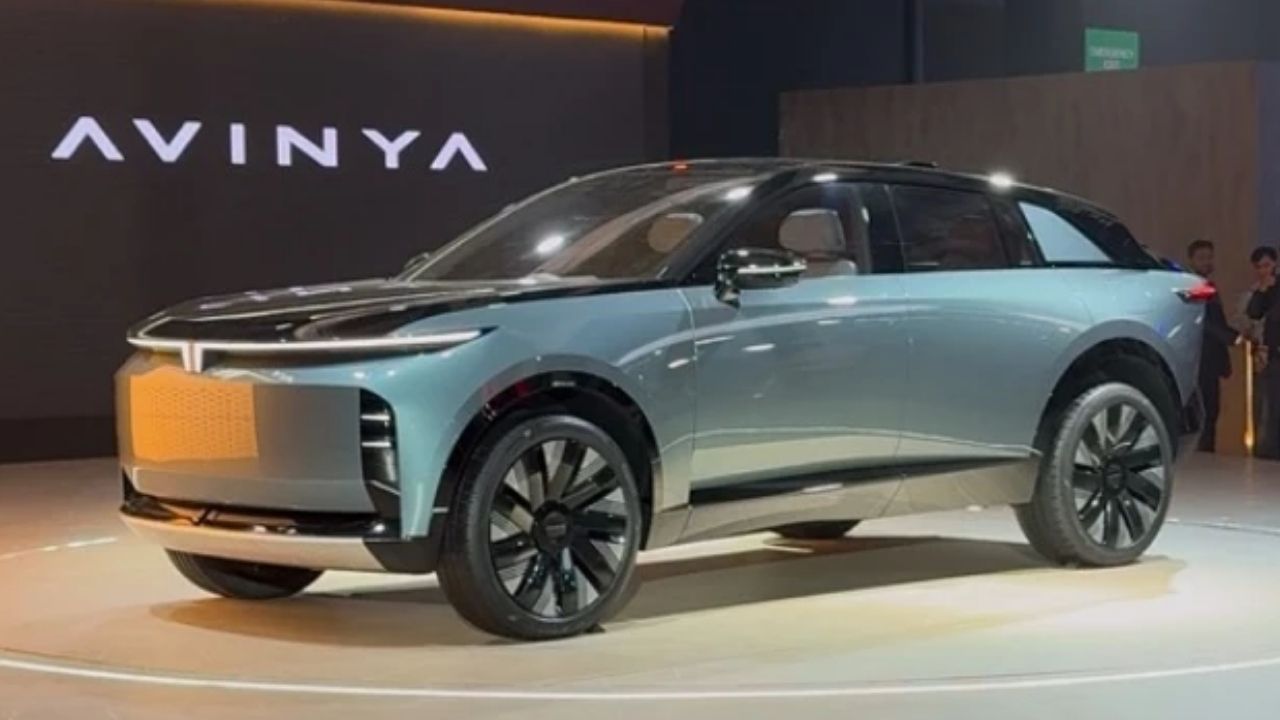
Tata Motors Passenger Vehicles is preparing for a major transformation of its electric vehicle strategy in India, with the Tata Avinya confirmed to launch by the end of 2026. Avinya will be introduced as a completely new nameplate and will play a key role in Tata Motors’ long term roadmap for clean mobility. Alongside Avinya, the company has also planned multiple electric vehicle launches across different segments, further strengthening its dominance in the Indian EV market.
Tata Motors already leads the electric passenger vehicle segment in India. However, the upcoming phase represents a more ambitious shift. The brand aims not only to increase the number of electric models but also to move into more advanced, premium, and future ready product categories. Avinya stands at the center of this vision.
Tata Motors Electric Vehicle Expansion Strategy
Tata Motors has laid out a structured plan to expand its electric portfolio in India. The company has already confirmed the launch of five new electric vehicles over the coming years. These models will target multiple segments, ranging from compact urban vehicles to larger lifestyle oriented offerings.
As part of this roadmap, Tata Avinya will arrive by the end of 2026. After that, electric versions of iconic nameplates such as the Sierra EV and Punch EV will follow. This strategy mirrors Tata Motors’ established pattern, where an internal combustion engine model is introduced first, followed by an electric version carrying the same name.
Beyond these models, Tata Motors has also planned three additional electric nameplates between financial year 2027 and financial year 2030. While detailed timelines and specifications have not yet been revealed, the roadmap signals a clear commitment to sustained EV growth over the next decade.
Quick Summary Table
Category |
Details |
|---|---|
Model Name |
Tata Avinya |
Launch Timeline |
End of 2026 |
Platform |
Gen 3 dedicated EV architecture |
Segment |
Premium electric vehicle |
Key Highlights |
Long range, fast charging, advanced software |
Upcoming EVs |
Sierra EV, Punch EV, three new nameplates |
Current EV Sales |
Over 250,000 units |
Charging Plan |
One million chargers by 2030 |
Official Website |
What Is Tata Avinya
Tata Avinya is not just another electric car. It represents a new philosophy for Tata Motors. So far, the Avinya has been showcased only in concept form at various automotive events. Each concept version has highlighted a futuristic design language, spacious interiors, and a strong focus on sustainability.
Unlike current Tata EVs that are derived from existing internal combustion platforms, Avinya will be built on Tata Motors’ new Gen 3 electric vehicle architecture. This is a skateboard style platform developed exclusively for battery electric vehicles. The architecture places the battery pack within the floor, allowing for better weight distribution, improved stability, and enhanced cabin space.
Gen 3 EV Architecture Explained
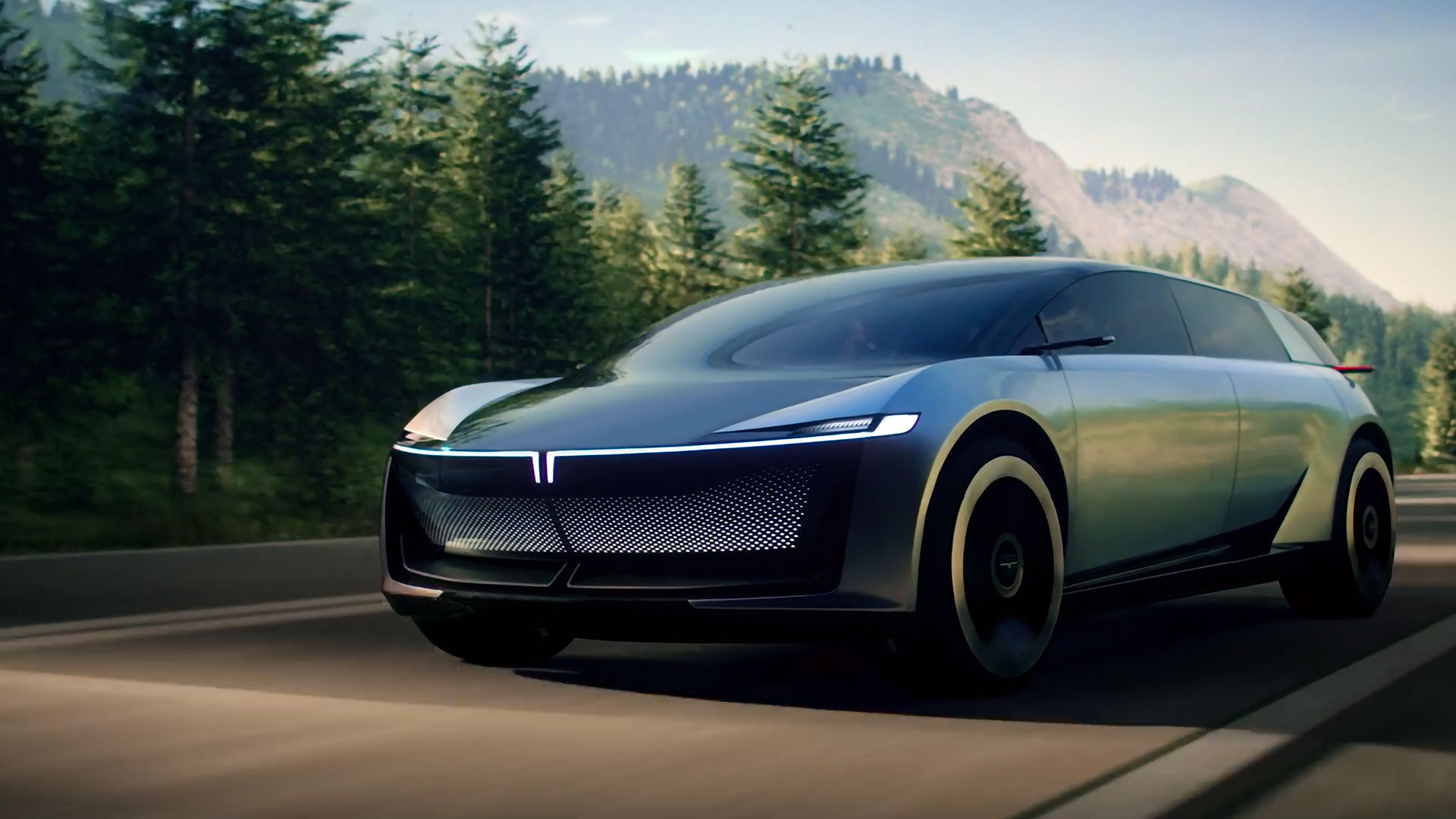
The Gen 3 EV architecture forms the technical foundation of Tata Avinya. This platform has been engineered to support long driving ranges, faster charging capabilities, and high levels of software integration. It also allows flexible placement of components, which gives designers greater freedom to create innovative body styles and interior layouts.
Another major advantage of this architecture is structural efficiency. By designing the platform specifically for electric vehicles, Tata Motors can improve crash safety, reduce unnecessary weight, and optimize energy efficiency. This approach positions Avinya as a global standard EV rather than a conversion based model.
The platform also supports advanced connected car technologies and over the air software updates. This will allow Tata Motors to continuously enhance vehicle performance, features, and user experience even after purchase.
Tata Avinya Launch Timeline and Product Roadmap
Tata Motors has confirmed that Avinya will launch in India by the end of 2026. While an exact date has not yet been announced, the vehicle is expected to debut after the electric versions of currently popular models gain further traction.
Following Avinya, Tata Motors will introduce the Sierra EV, which marks the return of a legendary nameplate in electric form. Currently, the Sierra has only been reintroduced with an internal combustion engine. The Punch EV will also expand Tata’s electric presence in the compact segment.
Between financial year 2027 and financial year 2030, three more electric nameplates will join the lineup. This phased rollout allows Tata Motors to manage production scale, charging infrastructure growth, and customer adoption smoothly.
Tata Motors Current Electric Vehicle Lineup
At present, Tata Motors already offers one of the widest electric vehicle portfolios in India. The current lineup includes Nexon.ev, Harrier.ev, Punch.ev, Tiago.ev, and Curvv.ev. This diverse range allows Tata to cater to multiple customer groups, from first time EV buyers to premium SUV customers.
Since launching its first electric passenger vehicle, Tata Motors has sold more than 250,000 EVs in India. This achievement highlights the brand’s early mover advantage and strong consumer trust.
Among these models, the Nexon.ev has played a particularly significant role. It became the first electric car in India to cross 100,000 cumulative sales. This milestone marked a turning point in India’s electric mobility journey and demonstrated that EVs could achieve mass market acceptance.
Market Positioning of Tata Avinya
Tata Avinya is expected to sit above most of Tata’s current electric offerings. While official pricing details remain undisclosed, Avinya is likely to target a more premium segment. It will focus on buyers who prioritize advanced technology, long range capability, and modern design.
With its Gen 3 platform, Avinya could also serve as a global product for Tata Motors. The design philosophy suggests that the vehicle will align with international standards, making it suitable for export markets in the future.
Charging Infrastructure and EV Ecosystem Development
Beyond vehicle launches, Tata Motors is also investing heavily in charging infrastructure. The company has announced plans to establish one million charging points by 2030. This includes around 100,000 public chargers across India.
This infrastructure expansion will support the increasing number of electric vehicles on Indian roads. It also addresses one of the biggest concerns among potential EV buyers, which is charging accessibility.
Tata Motors continues to work closely with government bodies, private partners, and Tata Group companies to accelerate infrastructure deployment. This integrated approach strengthens the overall EV ecosystem.
Long Term Vision for Electric Mobility
Tata Motors views electric mobility as a core pillar of its future business. The launch of Avinya represents more than just a new product. It signals a shift toward purpose built electric vehicles that emphasize sustainability, technology, and customer experience.
By steadily expanding its lineup, investing in infrastructure, and building dedicated EV platforms, Tata Motors aims to shape the future of mobility in India. Avinya will serve as a flagship example of this vision.
Frequently Asked Questions
1. When will Tata Avinya launch in India
Tata Avinya is expected to launch in India by the end of 2026.
2. What platform will Tata Avinya use
Avinya will be built on Tata Motors’ Gen 3 skateboard style electric vehicle architecture.
3. Is Tata Avinya a production ready model
So far, Avinya has been showcased only as a concept. The production version will arrive closer to the launch timeline.
4. Which electric vehicles will Tata Motors launch after Avinya
Following Avinya, Tata Motors plans to launch the Sierra EV, Punch EV, and three additional electric nameplates by 2030.
5. How many electric vehicles has Tata Motors sold in India
Tata Motors has sold more than 250,000 electric passenger vehicles in India so far.
For More Information Click HERE