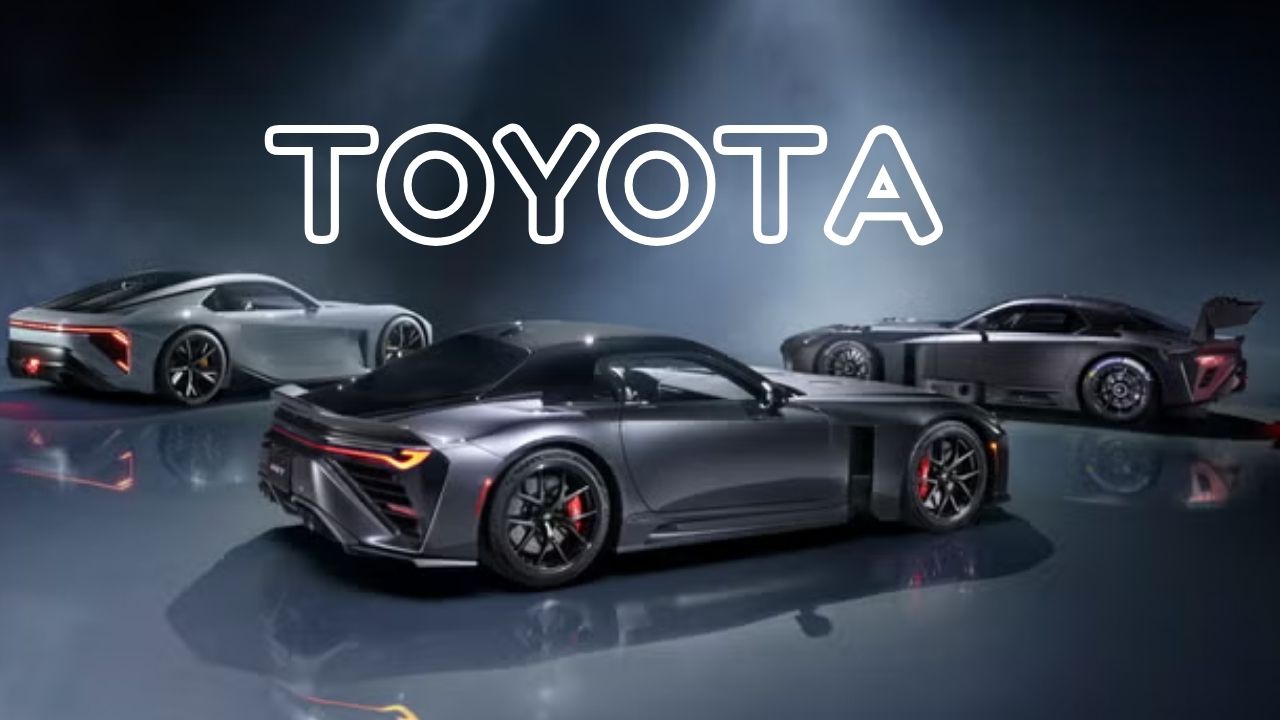
Toyota Gazoo Racing has officially taken the wraps off its latest flagship performance machines, the Toyota GR GT and GR GT3. These future ready supercars showcase where Toyota wants to take its high performance brand in the coming years. With a brand new lightweight platform, a powerful twin turbo V8 engine, and a focus on aerodynamics and driver involvement, the GR GT and GR GT3 are being positioned as serious rivals to European icons such as the Mercedes AMG GT, Porsche 911 and Aston Martin Vantage.
Although the market launch is expected around 2027, Toyota has already revealed detailed information about the design philosophy, powertrain technology and interior layout of these cars. The GR GT focuses on street legal performance with a hybrid assist system, while the GR GT3 is a dedicated track and endurance racing machine built to meet GT3 regulations.
Powertrain And Performance
At the heart of both the Toyota GR GT and GR GT3 lies a 4.0 litre twin turbo V8 engine. In the street legal GR GT, this engine is paired with a mild hybrid system designed to improve performance, torque delivery and efficiency.
In the GR GT, the hybrid assisted twin turbo V8 produces about 650 hp and 850 Nm of peak torque. Power is sent exclusively to the rear wheels via an 8 speed automatic gearbox with a wet clutch. To maximise traction and cornering stability, Toyota has equipped the car with a mechanical limited slip differential.
With this combination of high output and advanced drivetrain hardware, the GR GT is expected to reach a top speed of around 320 kmph. The hybrid motor plays a supportive role by filling in torque during gear changes, improving responsiveness at low rpm, and helping the car accelerate more smoothly out of corners.
The GR GT3 uses the same twin turbo V8 engine but in a configuration specific to GT3 racing regulations. In this version, there is no hybrid assist. Instead, the engine is tuned to deliver power and torque that can be adjusted according to Balance of Performance rules used in international GT3 championships. The objective is to ensure a stable and reliable output suitable for both endurance and sprint race formats.
Short Summary Table
Key Detail |
Information |
|---|---|
Models Revealed |
Toyota GR GT and Toyota GR GT3 |
Engine |
4.0 litre twin turbo V8 |
Power Output (GR GT) |
Approx. 650 hp and 850 Nm |
Drivetrain |
Rear wheel drive with 8 speed automatic gearbox |
Construction |
Aluminium frame with carbon fibre reinforced body panels |
Estimated Top Speed (GR GT) |
Around 320 kmph |
Expected Launch Timeline |
Around 2027 |
Racing Version |
GR GT3 with race tuned twin turbo V8 without hybrid assist |
Official Site |
Toyota Gazoo Racing – www.toyota-gazoo-racing.com |
Lightweight Construction And Chassis Engineering
To achieve the performance targets for the GR GT and GR GT3, Toyota Gazoo Racing has focused heavily on weight reduction and chassis rigidity. The cars are built on a lightweight aluminium frame combined with carbon fibre reinforced panels. These materials are used for sections such as the bonnet, roof, doors and boot lid.
Thanks to this approach, the overall weight is capped at around 1,750 kg. A major engineering highlight is the placement of the V8 engine. It is positioned low and behind the front axle in a front mid engine layout. This improves weight distribution, lowers the centre of gravity and enhances handling stability at high speeds.
The suspension setup consists of double wishbone units designed to deliver precise control and consistent contact with the road surface. Braking duties are handled by Brembo carbon ceramic brakes that are more resistant to fade under repeated high speed stopping. The cars ride on Michelin Pilot Sport Cup 2 tyres, which are popular in high performance and track focused applications due to their strong grip and predictable behaviour on the limit.
Aerodynamics And Exterior Design
The exterior of the Toyota GR GT has been developed around three key requirements: aerodynamics, performance and cooling. Large air intakes are integrated into the front and sides of the car to channel airflow towards the brakes and engine bay. This air is then carefully directed to exit near the windscreen and the rear section, helping to reduce lift and optimise stability.
Toyota has used its first all aluminium body structure for this model, which is then reinforced with carbon fibre elements. The bodywork is sculpted for downforce and straight line stability without unnecessary detailing. All design elements serve a functional purpose, whether it is cooling, drag reduction or brake ventilation.
The GR GT3, while visually related, is more extreme. It is expected to feature larger wings, diffusers and race specific aerodynamic components suited to GT3 racing categories. However, the core philosophy remains the same: to create a car that can maintain grip, stability and cooling under the most demanding track conditions.
Interior Layout And Driver Focused Cabin
Inside the GR GT, Toyota has taken a functionality first approach. The cabin has a compact two seat layout with excellent visibility to help the driver place the car accurately on road or track. The dashboard is mounted low to give an open field of view and reduce blind spots.
Controls are laid out for ease of use during high speed driving. The centre console uses physical buttons instead of touch only surfaces so that the driver can make quick adjustments without distraction. The steering wheel integrates controls for driving modes, stability systems and other performance settings. Behind it sits a digital display that provides essential information such as speed, engine data and hybrid system status in a clear format.
The seats are bucket style units with carbon frames. They are designed to hold occupants securely during hard cornering while still being comfortable enough for daily driving or longer journeys. In line with the performance oriented character of the car, the cabin does not chase excessive luxury. There are modern features like a central touchscreen and large gearshift paddles, but the overall design avoids unnecessary equipment that would add weight or distract from driving.
An interesting design detail is the absence of a conventional Toyota logo inside the cabin. This is meant to highlight Toyota Gazoo Racing as a distinct performance sub brand with its own identity separate from the main Toyota lineup.
GR GT3: Track Focused Racing Machine
While the GR GT is aimed at enthusiasts who want a road legal supercar, the GR GT3 is built as a pure race car intended for GT3 series around the world. The car uses the same base platform and V8 engine but without the hybrid components. Instead, the focus is on durability, consistent lap times and compliance with racing regulations.
The GT3 version will likely have stripped out interiors, comprehensive roll cage protection, racing seats, harnesses and track specific electronics. The suspension and braking systems will be tuned for endurance racing, with adjustability to suit different circuits and conditions. The Balance of Performance rules will influence the final output figures, but the underlying hardware is designed to be capable of both sprint and long distance competition.
Frequently Asked Questions
Q1. What is the main difference between the Toyota GR GT and GR GT3?
The GR GT is a street legal supercar that uses a twin turbo V8 engine with a mild hybrid system for enhanced performance and efficiency. The GR GT3 is a race dedicated version tuned for GT3 regulations and does not use a hybrid setup, focusing purely on track performance.
Q2. How much power does the Toyota GR GT produce?
The GR GT’s 4.0 litre twin turbo V8 with mild hybrid assist produces around 650 hp and 850 Nm of torque, all sent to the rear wheels through an 8 speed automatic gearbox and a mechanical limited slip differential.
Q3. What is the expected top speed of the Toyota GR GT?
With its high output engine, low weight and advanced aerodynamics, the Toyota GR GT is expected to reach a top speed of approximately 320 kmph.
Q4. What materials are used in the construction of the GR GT and GR GT3?
Both cars use an aluminium frame combined with carbon fibre reinforced panels. Components like the bonnet, roof, doors and boot lid use carbon fibre to reduce weight and increase rigidity.
Q5. When will the Toyota GR GT and GR GT3 be launched?
Toyota Gazoo Racing has indicated that the GR GT and GR GT3 are planned for market introduction around 2027, although exact launch dates and regional availability will be announced closer to that time.
Conclusion
The Toyota GR GT and GR GT3 represent an ambitious step for Toyota Gazoo Racing in the high performance and motorsport arena. With a potent twin turbo V8 engine, mild hybrid assistance in the road car, lightweight construction, and serious aerodynamics, the GR GT is positioned as a true rival to established European supercars.
At the same time, the GR GT3 extends this platform into professional racing, reinforcing Toyota’s commitment to motorsport. As the brand prepares these models for a planned launch around 2027, enthusiasts can expect a pair of cars that blend Japanese engineering precision with modern performance technology and a clear focus on the driving experience.
For More Information Click HERE